Review · Tokyo Wire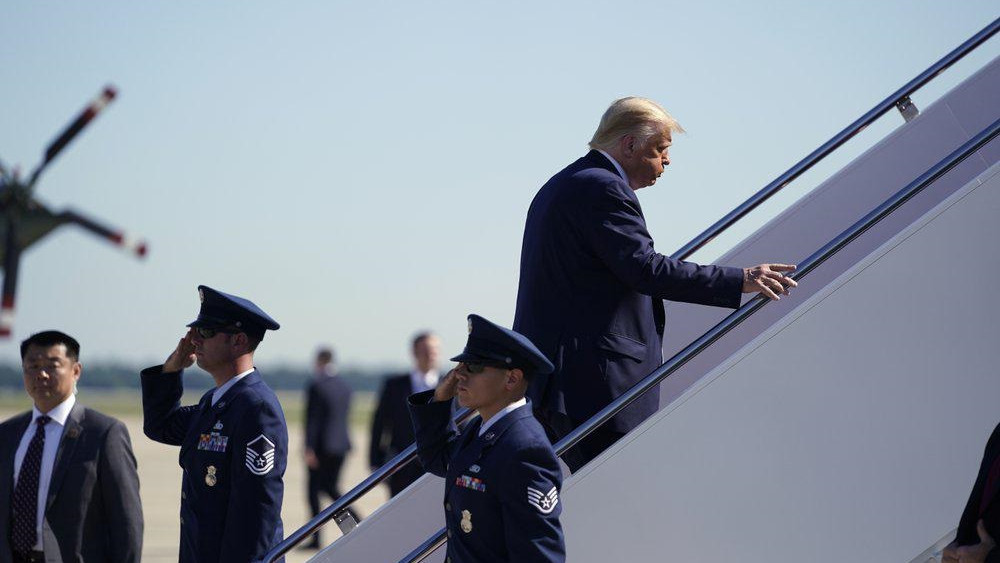
Home Energy Energy-General By Irina Slav - Sep 22, 2026, 6:00 PM CDT The Trump administration has proposed $5 billion to seed a new Gulf reconstruction fund, with regional partners asked to match it for a potential $10 billion total. The PACT fund would rebuild damaged energy infrastructure and finance new export routes bypassing Hormuz, as Gulf producers seek to reduce dependence on the vulnerable chokepoint. The biggest obstacle is that the war continues, making expensive new pipelines and energy facilities potential targets themselves and raising doubts about committing reconstruction money before a peace agreement.
U.S. President Donald Trump has proposed a fund to finance infrastructure rebuilding damaged in the war with Iran, offering $5 billion in U.S. money for starters. The information comes from the Wall Street Journal, which cited unnamed sources from Washington and Gulf states.
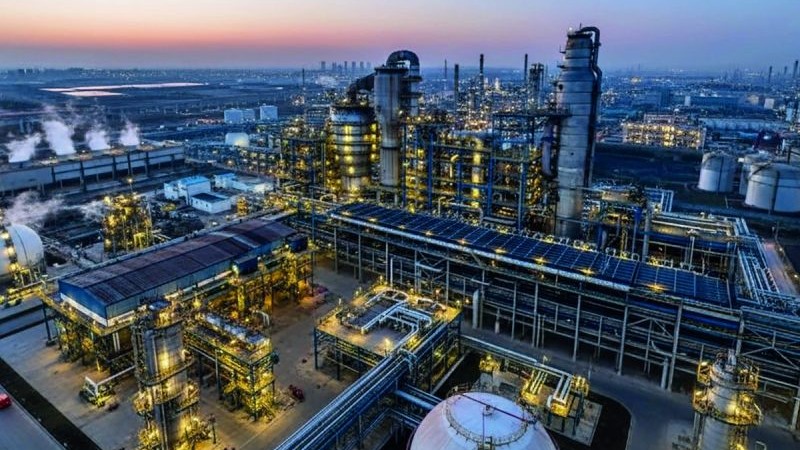
The money from the fund would also be used to help Gulf states develop alternative oil export routes bypassing the Strait of Hormuz, the report also said, adding that the United States will ask these states to also contribute to the fund, eyeing a total size of $10 billion. The plan is dubbed the Partnership for Allied Trust and Construction, or PACT for short, and will also involve, besides the U.S., Saudi Arabia, the UAE, Qatar, Bahrain, Kuwait, Iraq, Oman, and Jordan. Most of these have seen their energy infrastructure become a target for Iranian strikes due to the presence of U.S. military bases on their territory.
According to the Wall Street Journal itself, the reported plan for a reconstruction fund represents acknowledgment that the war, which the United States started alongside Israel at the end of February, is having an adverse effect on the economies of key Middle East allies. According to commentators cited by the publication, the plan for a reconstruction fund is a bit premature since the war has still not ended and the prospects of an end in permanent peace remain small. Right now, there is hope on oil markets that this week’s UN General Assembly session could produce bilateral talks between Washington and Tehran, but given developments over the last seven months, nothing is certain, and Iran has repeatedly stated it does not trust the United States to uphold any promises made.
Some commentators note the fact that some Gulf states may be reluctant to participate in a reconstruction fund because not all of them are equally dependent on the Strait of Hormuz to move their oil. Iraq, for instance, has an alternative route via a pipeline to Turkey—even though the capacity of that pipeline is a lot smaller than its Hormuz route. Saudi Arabia had its East-West pipeline, which allowed it to switch from Hormuz to Bab el-Mandeb, for a while, at least.
Now, the East-West pipeline is under repair, and Saudi is moving oil on small boats to the Gulf of Oman. There is also another consideration that should be obvious when it comes to alternative oil export routes. Generally, when someone talks about alternative routes, they mean pipelines.
The UAE, for instance, announced plans earlier this year to double the capacity of a pipeline to Fujairah, which sits outside the Strait of Hormuz and is, as such, safer than Emirati ports in the north. Yet pipelines can also become targets for attacks, as the Yemeni Houthis demonstrated in Saudi Arabia. In other words, no alternative is 100% safe, meaning that regardless of future developments pertaining to the moving of crude oil out of the Middle East, peace with Iran remains the number-one condition, and that condition remains hard to meet.
Meanwhile, refineries, oil fields, gas facilities, and other infrastructure across the Middle East also remain a target, adding uncertainty to an already highly uncertain situation. It now appears Gulf states have started to come to terms with this. “There seems to be a realization within all Arab Gulf states and even in Iraq that the status of Strait of Hormuz in the short to medium term will not revert back to what it was before the conflict and they need to work upon creating viable, secure and dependable routes and corridors that can bypass the strait,” one Persian Gulf security researcher from the UK told the WSJ.
The problem with that is that war needs to end first. By Irina Slav for Oilprice.com More Top Reads From Oilprice.com U.S. Threatens to Ground Iranian Airlines Worldwide Oil Prices Reverse Course as Traders Watch US-Iran Diplomacy Norway's Arctic Oil Pitch Falls Flat in Brussels Download The Free Oilprice App Today Back to homepage Irina Slav What I Cover Irina Slav has been writing about global energy markets since 2007, covering the oil and gas industry, energy security, commodities, and the...
More Info Leave a comment EXXON Mobil -0.35 Open 57.81 Trading Vol. 6.96M Previous Vol. 241.7B BUY 57.15 Sell 57.00