Review · Tokyo Wire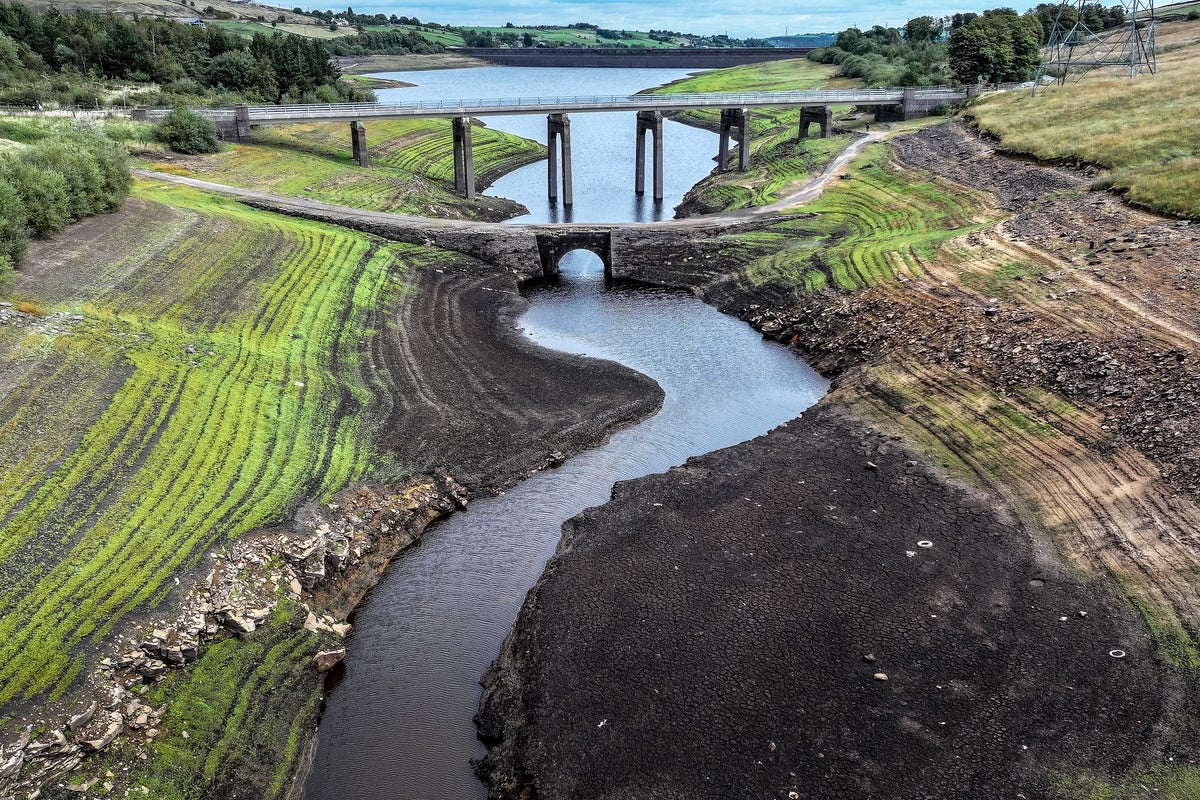
Businesses including golf clubs, car washes, and private schools could face severe restrictions over water use as drought conditions persist across much of England . The potential ban could prevent businesses from using mains supplies to irrigate playing fields and halt car washes under “non-essential use” bans sought by three water companies. It comes as 11 regions of England and Wales remain in drought status following an exceptionally hot and dry summer that left reservoir levels severely depleted.
Yorkshire was the latest to move from prolonged dry weather - the stage before drought - into drought status, on 9 October. Reservoir levels remain low despite recent rainfall (Getty) It follows an unusually dry September, with the ongoing lack of rainfall into the autumn months causing the flow in rivers and groundwater levels to reach very low levels in parts of Yorkshire, officials said. Rainfall was 80 per cent lower than average across the country in September in some areas, raising concerns over dwindling water supplies.
Research by the Environment Agency shows England needs 20 per cent more rainfall than average until the end of April for all of the areas to emerge from drought status. South East Water, South West Water, and Southern Water have all made non-essential use ban applications for parts of their regions to the department for environment, food, and rural affairs (Defra), who have yet to make a decision on the potential bans. If approved, household customers would remain unaffected, although huge swathes of the country including London and much of the south of England are already under hosepipe bans.
Almost all reservoirs in England except two are classed as below normal or lower for the time of year, while eight reservoirs or reservoir groups now have levels now classed as exceptionally low. Earlier this week, executives warned Ardingly Reservoir, which serves 280,000 people in the West Sussex, could run dry within weeks. The reservoir has fallen from 22.8 per cent full a week ago to just 20.2 per cent full now.
An exceptionally hot and dry summer left England parched (Getty) The remains of prehistoric villages have also been uncovered in Devon, after huge drops in reserves at Fernworthy Reservoir. Sam Bottomley, South West Water’s director for drinking water services said the non-essential use application is “a responsible step to help protect the environment and preserve the water we have available”. He urged customers to “continue to take steps to reduce their water use” adding the company is doing “everything we can to protect water supplies”.
Water minister Emma Hardy previously said: “The recent rainfall is not yet enough to replenish all the water we’ve used over the spring and summer, and the Yorkshire drought declaration highlights the situation is still serious. “Long-term resilience against our changing climate is a priority for this Government. “Our strengthened Water Bill will start a decade-long journey to a very different water system, including nine new major reservoirs to secure supplies.” What areas are in drought?
East Anglia Hertfordshire and North London Thames Devon, Cornwall and Isles of Scilly West Midlands Wessex Kent and South London Solent and South Downs East Midlands Lincolnshire and Northamptonshire Yorkshire (from 9 October) How low are water levels in England’s reservoirs? Almost all reservoirs except two are classed as below normal or lower for the time of year, while eight reservoirs or reservoir groups now have levels now classed as exceptionally low. Just four reservoirs recorded an increase in storage in the week ending 6 October 2026, whilst all others decline.
Overall, England storage was 54 per cent, having fallen by 1.3 per cent, and is now 21 per cent below average for the time of year. The following eight reservoirs are classed as exceptionally low: • Abberton reservoir operated by Essex and Suffolk Water •Ardingly reservoir operated by South East Water Clatworthy reservoir operated by Wessex Water • Colliford Reservoir operated by South West Water Dove Group operated by Severn Trent Water, where winter refill was impacted by water quality and operational issues • Hanningfield reservoir operated by Essex and Suffolk Water Pennines Group operated by United Utilities Water Wimbleball reservoir operated by South West Water
Source: The Independent